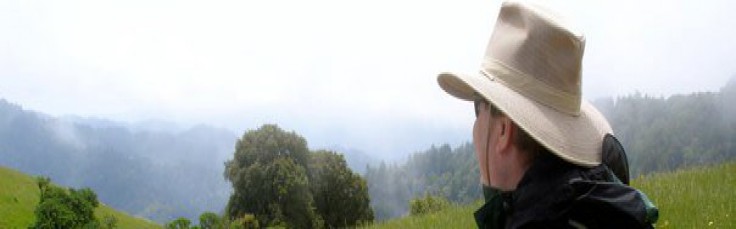
I live in the west. Cowboys, cows, range land and endless clear skies. Do you remember watching the TV show Bonanza? It’s just one mountain range to the west of where I am currently typing this post. Did you ever watch John Wayne’s last movie, The Shootest? I can drive to where they filmed that. Forests and deserts, lakes and rivers, cattle and horses, all are an easy drive from my home. It’s beautiful here. It’s magical to watch the thunderheads build over Mt. Rose, just south east of my perch on the rim of the Reno basin. An afternoon wind can clear the sky or rise the dust on a dry lake bed.
The burners come back through town this time of year, covered in alkaline dust that will add $250 to their car rental fee.
It is and has always been a dangerous place to live. The desert burns, the mountains freeze, the thunderstorm raises a flash flood to catch the unaware, and that refreshing wind carries the smoke and embers of the wildfires. Fire, it’s always been here, but we build our homes in its path and don’t understand our loss.
Earlier this month Heather and I drove up to see our grandson who has moved to the Seattle area for his first job out of college. Before we left, I checked the weather and road conditions. Being late summer in this part of the world, I also checked the status of the many wildfires that we might drive near. The last count I saw was that this fire season there are 67 major fires burning in the western US. It will go down as the worst fire year in a decade. It hasn’t made the news much, because most of the fires are remote and few homes have burned.
Still, the Bear fire was burning just to the west of the first highway we drove up on our way to Crater Lake. It’s a 16 hour drive from our home to Seattle and we’d decided to do it in two days. We arrived in Crater Lake in the early afternoon and discovered that the north entrance to the park was closed due to the Middle Fork fire. The hotel I’d booked was about 20 miles north of the park. That turned into a 70 mile detour to the south and around the western edge of the park before we could turn north again to Diamond Lake.
We had dinner that night in Diamond Lake and I was impressed by the number of firefighters who had taken the evening off to have a nice dinner. I wasn’t sure if these were crews who’d just been released from duty or were just arriving to join the crews mopping up the fire. They had a map at the resort that showed how close the fire had come to the lake.
When we arrived in Seattle the next day, we started to get the news of a fire closer to home, the Davis fire. It started about 10 miles from our house and was burning up into the Mt. Rose area. That’s the opposite direction from our home. For the next two days we followed the news of the fire as we drove home through eastern Washington and Oregon. Along the way we stopped at the Oregon Trail Interpretive Center and learned more about the American migration into the west during the late 1800’s. That’s a story of hardship and loss. Not all those who sought life in the west prospered. According to the statics we read, one in ten died on the trail before arriving.
By the time we pulled into our driveway, the Davis fire had been burning for three days. 20,000 people had been evacuated, 5,000 acres burned, there were just over 600 firefighters on the fire lines and no containment — just a worry that winds the next day could push the fire over the fire lines where more people were being warned of possible evacuation. The air was hazy, you could smell burning wood and we wondered which of our friends had been forced to leave. It was a week before they lifted evacuation orders.
Since then, there has been rain, cooler winds and the power has been restored to the affected homes. The garbage company parked large dumpsters in the evacuation areas to handle all the spoiled food from refrigerators that went a week without power. We dusted ash and cold black embers off our walkways and garden.
And then the skies cleared. The big puffy clouds are rolling through again and in the mornings the air smells of fresh sagebrush. In the afternoon the breeze comes up and leaves a fait hollow whistling in my ears.
I live in the west, this is our life.


We see many fires here in Alberta. We live on 4 acres of forested land – every year we spend days removing any new low hanging dead branches and we hire a crew to come in and take down the full size dead trees. It is a never ending job!
This summer was the fire in Jasper National Park. The Park is on federal land and would not have been so extensive if the feds had followed the best practices that they tell the rest of us to do.
LikeLiked by 1 person
The management of our public lands is suffering everywhere.
LikeLiked by 1 person
At my place he has these westerns on daily. Praying for all who see destruction cause by weather.
LikeLiked by 1 person
I love those old westerns.
LikeLiked by 1 person
I watch then one time each then I am done for another 10 years 🙂
LikeLiked by 1 person
Wishing everyone to be safe.
LikeLike
This post struck me for two reasons, Andrew. One, you could be describing life on the Front Range of the Colorado Rockies. Fire, wind, snow – they all had their seasons when we were there, yet we were willing to put up with them for the sake of a pretty darned good lifestyle.
Now we’ve just come through Hurricane Helene down here in South Carolina. As you say, what makes the headlines is loss of life and property. Thus you see North Carolina and all of its damage from flooding. But South Carolina took an immeasurable hit as well, with the number of downed trees. Our community here will live on, but in certain respects be changed forever. We live in the south, this is our life.
LikeLiked by 1 person
Yes, Colorado is very much like where I’m living now. We have more desert, but the same problems. And that hurricane looked bad. It’s sad that the media only goes for the big headlines when so many people will be affect for a very long time.
LikeLiked by 1 person
Two years ago we had many devastating fires here in Nova Scotia. We had an evacuation plan, as many nearer to Halifax (the other side of the province) lost their homes. We were fortunate that we were spared, but much of the eastern coast were affected. It is a real threat. Glad your home was safe.
LikeLiked by 1 person
Fire is scary. I live on the drier more desert side of the city so there is less to burn, but it could have been not fun if the fire turned this way.
LikeLiked by 1 person
Great post, Andrew. In our modern life with all our technology and convenience, we sometimes forget that we can’t control nature.
LikeLiked by 1 person
Humans think they can, but that is a delusion.
LikeLiked by 1 person
Having lived in Oregon, I remember well the threat of the wildfires. Good to hear you had a safe trip and your home is safe too.
LikeLike
Sounds alot like here, Colorado, although our fires this year have not approached the magnitude of those in California. I’m glad you were able to skirt the active fires and get to Seattle and back. Scary having one crop up just 10 miles from your home!
Those firefighters are heroes here, just as I’m sure they are farther west. Ditto the pilots who fly the choppers and big tankers.
Stay safe out there.
LikeLiked by 1 person
What I find interesting about this fire season is the number of smaller fires popping up. Nothing really big, just lots of little ones. It’s kind of deceptive — the fire officials are saying that more acres are burning than last just, just not in the big massive fires we’ve seen in the last five or six years. The only time we got concerned about the fire near us is the day the winds were to high for the aircraft to fly. What I heard from a friend near the fire was that it was really the work of the tankers that kept it under control in the early stages. Those folks are braver than me.
LikeLike
Yep, a number of little ones here … all human caused. Except one of 10,000 acres, also human caused.
LikeLiked by 1 person
Whoa! That was quite a trip, but it’s still better than over-stuffed, over-heated south FL.
LikeLiked by 1 person
It was a great trip and most of the fires we passed were basically out but crews were still doing clean up operations.
LikeLiked by 1 person
Glad you had a safe trip, and that your home was safe. I didn’t realize there were so many small wildfires all at once.
LikeLiked by 2 people
Most of them don’t make the news.
LikeLiked by 1 person
Glad you made it back safe, so sorry wild fires are still happening that late in the season. Pray for rain
LikeLiked by 1 person
We’ve had some, but now it looks like we’re back to dry weather.
LikeLiked by 1 person