
You know you’re getting old when you stop to think and forget to start again.
More wisdom next week.
Andrew
You know you’re getting old when you stop to think and forget to start again.
More wisdom next week.
Andrew
A few mystery shots for you this week. I’ve starting on the gift making project, but nothing is finished. I’ll post more as the projects start taking form.
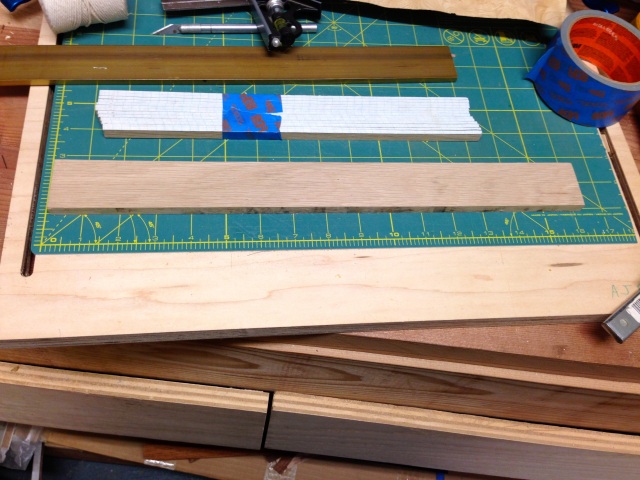
Lots of little sticks cut from white oak.
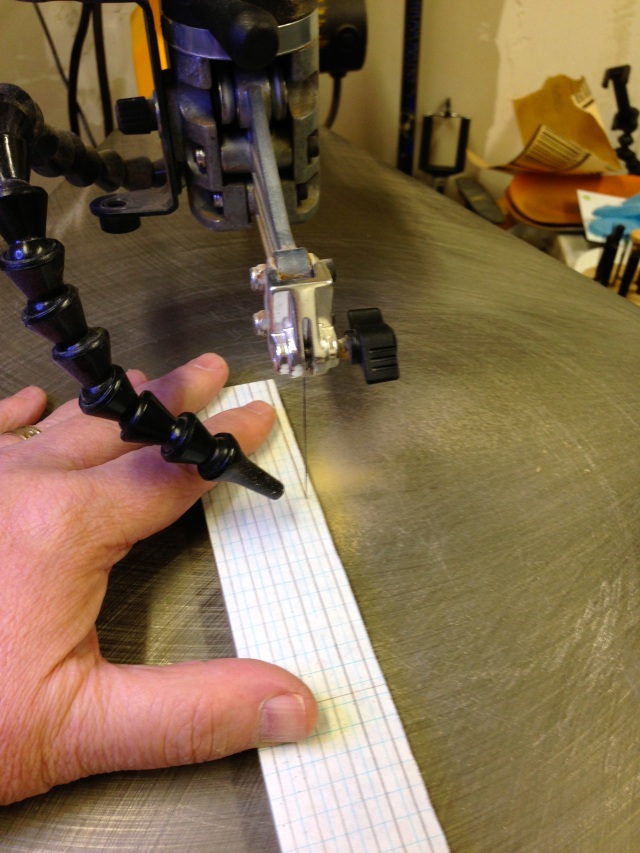
Me cutting lots of little sticks from white oak on the scroll saw.
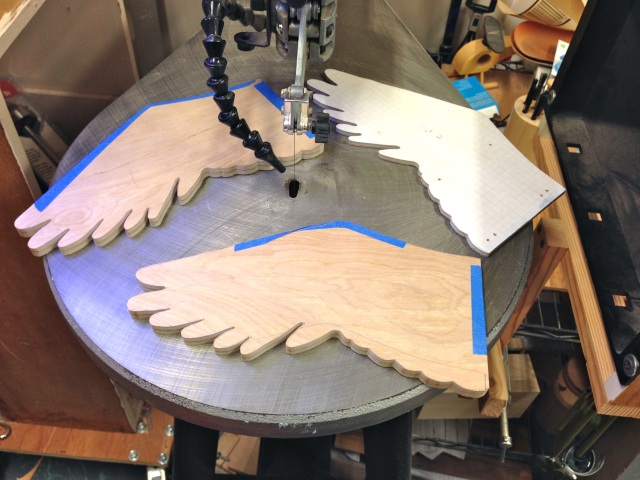
Wings, lots of wings. Fly wings, fly!
If you need me – I’ll be in the shop,
Andrew
In the cool of a summer night,
sleep finally comes.
Oblivion for a few short hours.
Too soon the mind wakes; struggles with life.
Prose wishes to break free.
Sentences struggle for completeness.
References and words float on the air.
Mind’s eye holds a crystal,
considering its complexity,
its simplicity,
its perfection.
Turn the thought over.
Consider infinity,
eternity,
mystery.
To hold the world in your hand.
The scene that follows won’t come.
Struggling for completeness,
for meaning.
Air flows cooling the soul.
The mind rests,
yet it struggles with the thought,
the image that wishes to be found.
Gaze at the crystal again,
into infinity,
into power,
wisdom.
On the wind the voice is heard,
but in the mind a glass wall prevents hearing.
Mumbled words, a phase starts,
“Gaze into the crystal and see … “
Frustration as the words will not flow.
Completeness fades.
The cool air brings relief and
lulls the mind to sleep.
Sweet rest.
Thoughts fade to sleep,
reviving the weary soul.
Sleep gently lays to rest and,
lets the thought lay incomplete,
nurturing the imagination.
Play the scene again,
and again.
Gaze into the crystal and what do you see?
oblivion,
restful dark,
sleep.
This poem is a revision of one I wrote a couple of years ago and this time I’ve included a recording of me reading it. Over the last year, I’ve been finding that reading my poems aloud helps me write better poetry. The act of speaking the words forces the work through different pathways in the mind and you see and feel thing differently. Going to the poetry reading group has really brought this home for me.
It’s a bit time consuming to do the recording, but I hope to do more of this.
I am spending almost all of my writing time finishing my prostate cancer poetry book and hope to start the publication process soon.
Till next week,
Andrew
“I don’t have a solution, but I admire the problem.”
We engineers are often called on to solve a problem. Here’s a little secret: many times we don’t have one. I’ve used the above line from time to time with colleagues and friends, but never with my wife.
The line does do it’s job to get people laughing long enough for me to leave the room.
More wisdom next week,
Andrew


 Andrew's View of the Week